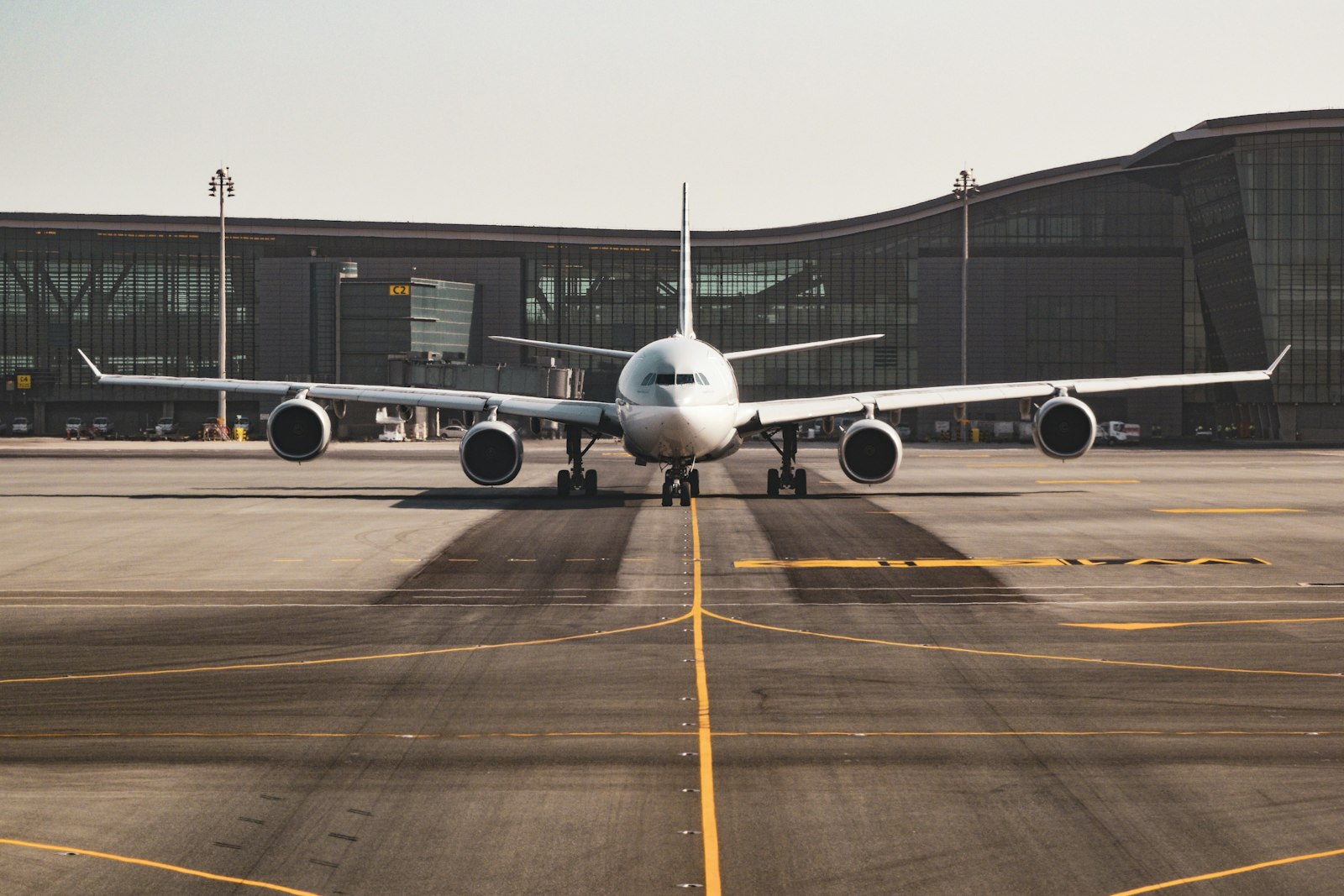
For medical tourists, the flight home is a critical part of the surgical journey. Flying too soon after a major operation can increase the risk of serious complications, particularly Deep Vein Thrombosis (DVT). A DVT is a blood clot that forms in a deep vein, usually in the leg, and can be life-threatening if it travels to the lungs (a pulmonary embolism).
Your surgeon will give you a "fit-to-fly" certificate when they are confident it is safe for you to travel. Here are the general guidelines and a checklist for a safe journey.
Recommended Minimum Waiting Times Before Flying
These are general guidelines. Your surgeon will give you a specific timeline based on your individual procedure and recovery.
- Non-invasive treatments (Botox, Fillers): 24-48 hours.
- Hair Transplant: 2-3 days.
- Rhinoplasty: 7 days (after cast removal).
- Breast Augmentation / Lift: 5-7 days.
- Liposuction: 7 days.
- Facelift: 7-10 days.
- Tummy Tuck: 10-14 days.
- BBL (Brazilian Butt Lift): 10-14 days.
Procedures with a higher DVT risk, like tummy tucks and BBLs, require a longer waiting period.
Why is Flying a Risk?
Flying combines three risk factors for DVT:
- Immobility: Sitting in a cramped seat for hours slows blood flow in your legs.
- Dehydration: The low humidity in a plane cabin can dehydrate you, making your blood thicker.
- Post-Surgical State: Your body is in an inflammatory state after surgery, which naturally increases the risk of clotting.
Your Safe Flight Home Checklist
Once your surgeon has cleared you to fly, follow these steps to minimize your risk and maximize your comfort.
Before the Flight:
- [ ] Get Your Fit-to-Fly Certificate: Do not leave the country without this signed document from your surgeon.
- [ ] Take Prescribed Medication: If your surgeon prescribed blood thinners (e.g., a single injection before your flight), take them as directed.
- [ ] Wear Your Compression Garments: This includes your surgical bra, abdominal binder, or faja, as well as compression stockings (TED hose) for your legs.
- [ ] Request Airport Assistance: Don't be afraid to request wheelchair assistance. This will help you avoid long walks and standing in queues.
- [ ] Choose an Aisle Seat: This makes it easier to get up and move around.
During the Flight:
- [ ] Stay Hydrated: Drink plenty of water. Avoid alcohol and caffeine, which are dehydrating.
- [ ] Move Your Legs: Perform in-seat exercises every 30 minutes: flex and point your toes, rotate your ankles, and bend your knees.
- [ ] Get Up and Walk: Every hour, take a short walk up and down the aisle to promote circulation.
- [ ] Do Not Place Bags Under Your Seat: Keep the space clear so you can stretch your legs out fully.
- [ ] Use Your BBL Pillow: If you've had a BBL, you must use your special pillow for the entire flight. Do not put any direct pressure on your buttocks.
After the Flight:
- [ ] Keep Moving: Once you land, continue to walk around as much as is comfortable.
- [ ] Elevate Your Legs: When you get home, elevate your legs to help reduce swelling.
By planning ahead and following these simple precautions, you can ensure your journey home is as safe and smooth as your surgical procedure in Albania.